Business system connections
Accounting, CRM, inventory and internal applications exchange the data they need. We define where information is created and which systems update it.
Entering the same order into several applications? We connect your systems so they can exchange customer, product and order data according to agreed rules.
How it works
A data source
APIs and exchange rules
Connected systems
Data moves between systems without manual transfers.
What we deliver
We connect accounting, CRM, ecommerce and other tools through APIs or supported data transfers. We define the source system, update timing and how errors are handled.
Accounting, CRM, inventory and internal applications exchange the data they need. We define where information is created and which systems update it.
Transfer order, payment and shipment information. We plan for cancellations, delayed responses and repeated actions.
We build the interfaces and synchronisation processes needed. Access controls, error logging and traceability are part of the integration design.
A good fit when
When the same information is entered in several places, or your systems cannot exchange the data you need.
How we work
We inspect available APIs, documentation, data structures and usage limits. We establish which permissions and third-party services are required.
We map fields and agree on the direction and frequency of transfers. We plan how to handle duplicates, mismatches and failed attempts.
We test real scenarios, errors and retries. We then launch the integration and agree on monitoring and maintenance.
Related project
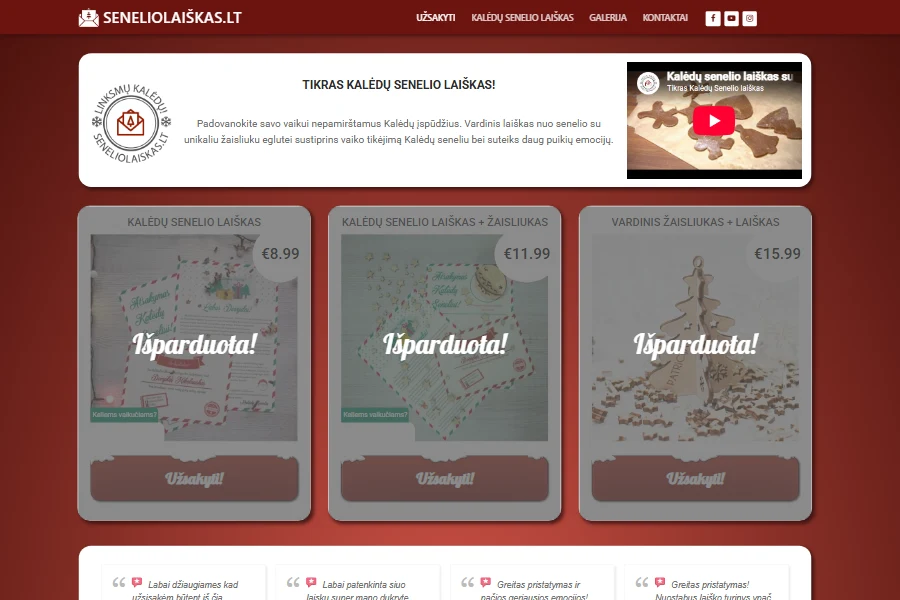
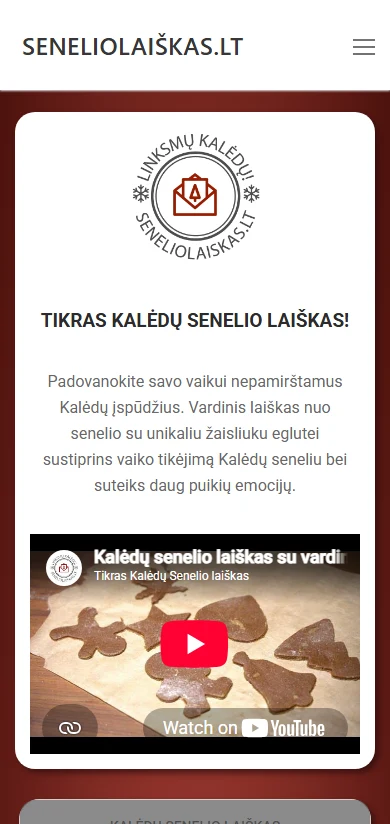
For SenelioLaiskas.lt, we connected orders, letter generation, printing and dispatch, including an integration with Lithuanian Post.
Read the case studyFrequently asked questions
We first check other supported transfer methods, such as exports and imports. The available approach depends on the provider’s permissions, technical limits and data access.
We choose the update frequency according to the business need and system capabilities. This can mean event-driven transfers or scheduled synchronisation.
We design error logging and retry behaviour. Recovery steps depend on the importance of the data and the limits of both systems.
From your needs to a proposal
Describe the task and the tools you use. We will discuss the options and what we need to prepare a proposal.
Discuss an integration
Talk to our team.